
Image Source: Unsplash
Introduction
Attention all homeowners and contractors in Glasgow! Are you tired of the hassle and safety concerns that come with traditional ladders and scaffolds for your residential construction projects? Look no further than our top-of-the-line scaffolding services. We understand the importance of safety and efficiency in any construction project, especially when it comes to your home. That’s why our team of experienced professionals is dedicated to providing the highest quality scaffolding solutions tailored to your specific needs. From small home repairs to full-scale renovations, we’ve got you covered. With our state-of-the-art equipment and expert knowledge, we guarantee a smooth and secure construction process. Trust us to elevate your project to the next level. Contact us today to learn more about our scaffolding services for residential construction projects in Glasgow.
What is Scaffolding and Why is it Necessary for Residential Construction Projects?
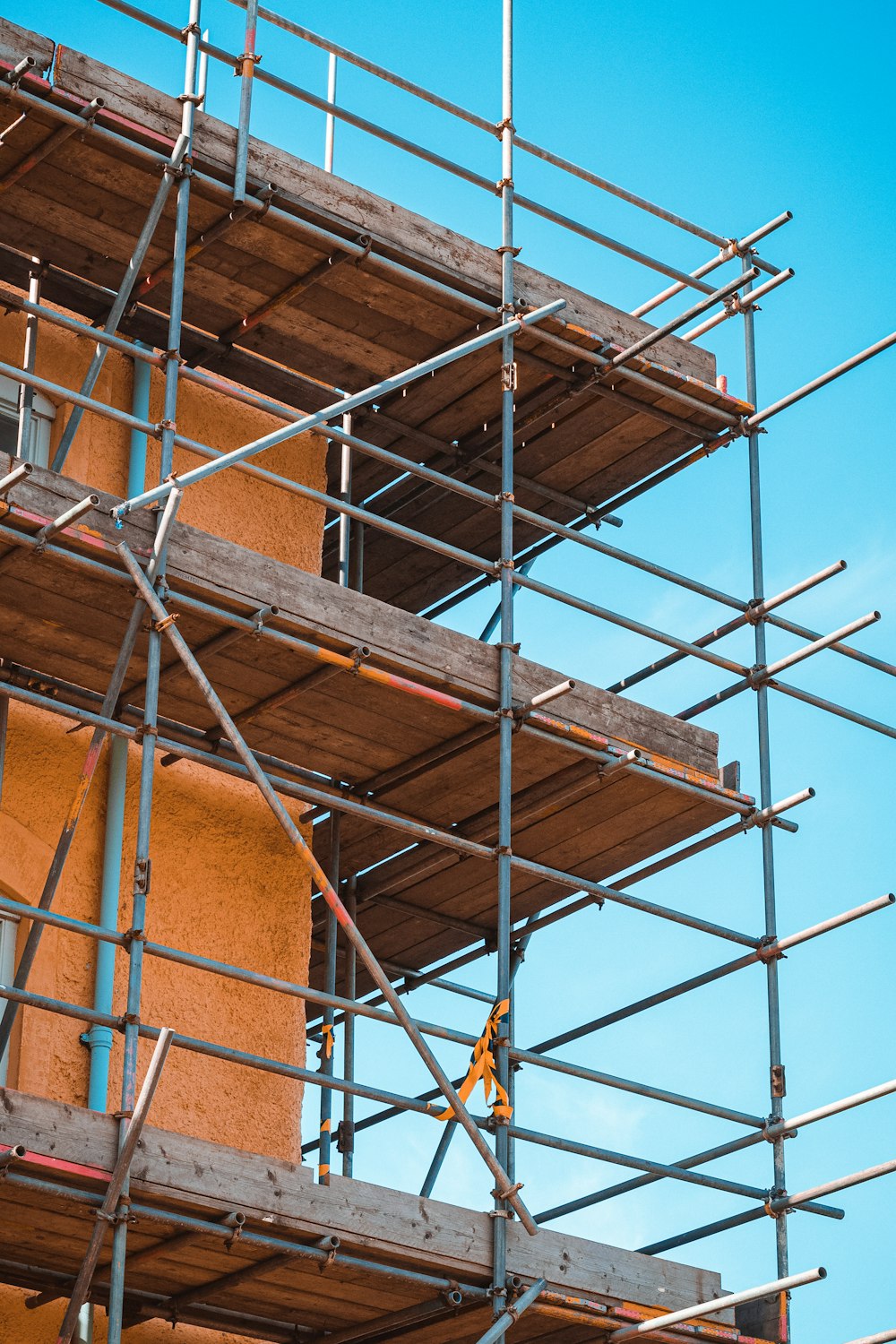
Scaffolding is a temporary structure used to support workers and materials during the construction or repair of a building. It is an essential component of any construction project, providing a safe and efficient means of working at height. Scaffolding is necessary for residential construction projects because it allows workers to access areas that are difficult or impossible to reach with traditional ladders or scaffolds. Moreover, scaffolding provides a stable and secure platform for workers to perform their tasks, increasing productivity and reducing the risk of accidents.
Regulations and Safety Measures for Scaffolding in Glasgow
Scaffolding is a hazardous activity that requires strict regulations and safety measures to ensure the safety of workers and bystanders. In Glasgow, scaffolding is regulated by the Health and Safety Executive (HSE), which sets out strict guidelines for the design, construction, and use of scaffolding. These guidelines cover a range of factors, including the strength and stability of the structure, the materials used, the load capacity, and the access and egress points.
In addition to these regulations, there are several safety measures that must be taken when using scaffolding. These include the use of personal protective equipment (PPE), such as hard hats, safety harnesses, and non-slip footwear, as well as regular inspections and maintenance of the scaffolding structure. Workers must also be trained in the proper use of scaffolding and the associated safety procedures.
Types of Scaffolding Used in Residential Construction Projects
There are several types of scaffolding used in residential construction projects, each with its own advantages and disadvantages. The most common types of scaffolding used in Glasgow include the following:
Tube and Fitting Scaffolding
Tube and fitting scaffolding is a traditional type of scaffolding that uses tubes and couplers to create a modular structure. It is highly adaptable and can be used in a wide range of situations. However, it is also time-consuming to erect and dismantle and requires a high level of expertise to assemble.
System Scaffolding
System scaffolding is a pre-fabricated scaffolding system that uses standard components to create a modular structure. It is quicker and easier to erect and dismantle than tube and fitting scaffolding, making it ideal for small projects or those with tight deadlines. However, it is less adaptable than tube and fitting scaffolding and may not be suitable for more complex projects.
Mobile Scaffolding
Mobile scaffolding is a type of scaffolding that can be moved around the construction site. It is ideal for smaller projects or those with limited space, as it can be easily wheeled into position. However, it is not suitable for larger projects or those with uneven terrain.
Scaffolding Equipment and Tools
Scaffolding requires a range of equipment and tools to ensure it is erected and maintained safely and efficiently. These include the following:
Scaffolding Boards
Scaffolding boards are used to create a platform for workers to stand on. They are usually made from timber or steel and come in a range of sizes and thicknesses.
Scaffold Fittings
Scaffold fittings are used to connect the scaffolding tubes and create the modular structure. They include couplers, clamps, and brackets.
Ladders
Ladders are used to access the scaffolding platform and to climb up and down the structure during construction. They should be securely fixed to the scaffolding and be of the correct length for the job.
Safety Harnesses
Safety harnesses are used to secure workers to the scaffolding structure and prevent falls from height. They should be worn at all times when working on scaffolding and be checked regularly for signs of wear or damage.
Factors to Consider When Hiring a Scaffolding Company
When hiring a scaffolding company for your residential construction project, there are several factors to consider. These include the following:
Experience and Expertise
The scaffolding company should have a proven track record of providing high-quality scaffolding services for residential construction projects. They should also have a team of experienced professionals who are trained in the latest safety procedures and regulations.
Insurance and Liability
The scaffolding company should have adequate insurance coverage to protect against any accidents or damage that may occur during the construction process. They should also be able to provide evidence of liability insurance and workers’ compensation insurance.
Equipment and Tools
The scaffolding company should have state-of-the-art equipment and tools to ensure the scaffolding structure is erected and maintained safely and efficiently.
Cost
The cost of scaffolding for residential construction projects in Glasgow can vary depending on a range of factors, including the size and complexity of the project, the duration of the scaffolding hire, and the type of scaffolding used. It is important to get a detailed quote from the scaffolding company before hiring them to ensure there are no hidden costs.
Cost of Scaffolding for Residential Construction Projects in Glasgow
The cost of scaffolding for residential construction projects in Glasgow can vary depending on a range of factors, including the size and complexity of the project, the duration of the scaffolding hire, and the type of scaffolding used. According to industry estimates, the cost of hiring scaffolding for a typical residential construction project in Glasgow can range from £500 to £3000.
It is important to get a detailed quote from the scaffolding company before hiring them to ensure there are no hidden costs. The quote should include the cost of erecting and dismantling the scaffolding, the hire period, any additional equipment or tools required, and any delivery or collection fees.
Timeline for Scaffolding Installation and Removal
The timeline for scaffolding installation and removal will depend on the size and complexity of the residential construction project. In general, scaffolding can be erected in a day or two and dismantled in a similar timeframe.
It is important to coordinate with the scaffolding company to ensure the scaffolding is erected and dismantled at the appropriate times in the construction process. This will help to minimize disruption to the construction schedule and ensure the project is completed on time.
Maintaining and Inspecting Scaffolding During the Construction Process
Scaffolding must be inspected and maintained regularly during the construction process to ensure it remains safe and secure. Workers should inspect the scaffolding structure before starting work each day and report any damage, wear, or instability to the scaffolding company.
In addition, the scaffolding company should carry out regular inspections to ensure the structure remains safe and secure. This may involve checking the load capacity, the stability of the structure, and the condition of the equipment and tools.
Scaffolding Removal and Disposal
Once the residential construction project is complete, the scaffolding must be dismantled and removed from the site. The scaffolding company will be responsible for dismantling the structure and ensuring it is disposed of safely and responsibly.
This may involve recycling the scaffolding components or disposing of them in a landfill site. The scaffolding company should provide evidence of their disposal methods to ensure they are environmentally friendly and comply with local regulations.
Conclusion
Scaffolding is an essential component of any residential construction project, providing a safe and efficient means of working at height. When hiring a scaffolding company, it is important to consider their experience, insurance coverage, equipment and tools, and cost.
By following the regulations and safety measures for scaffolding in Glasgow, using the appropriate type of scaffolding, and maintaining and inspecting the structure regularly, homeowners and contractors can ensure a smooth and secure construction process. Contact us today to learn more about our scaffolding services for residential construction projects in Glasgow.
Get top-quality scaffolding at a competitive price in Glasgow – click here to find out more about our pricing and packages at Scaffolding Glasgow HQ.
